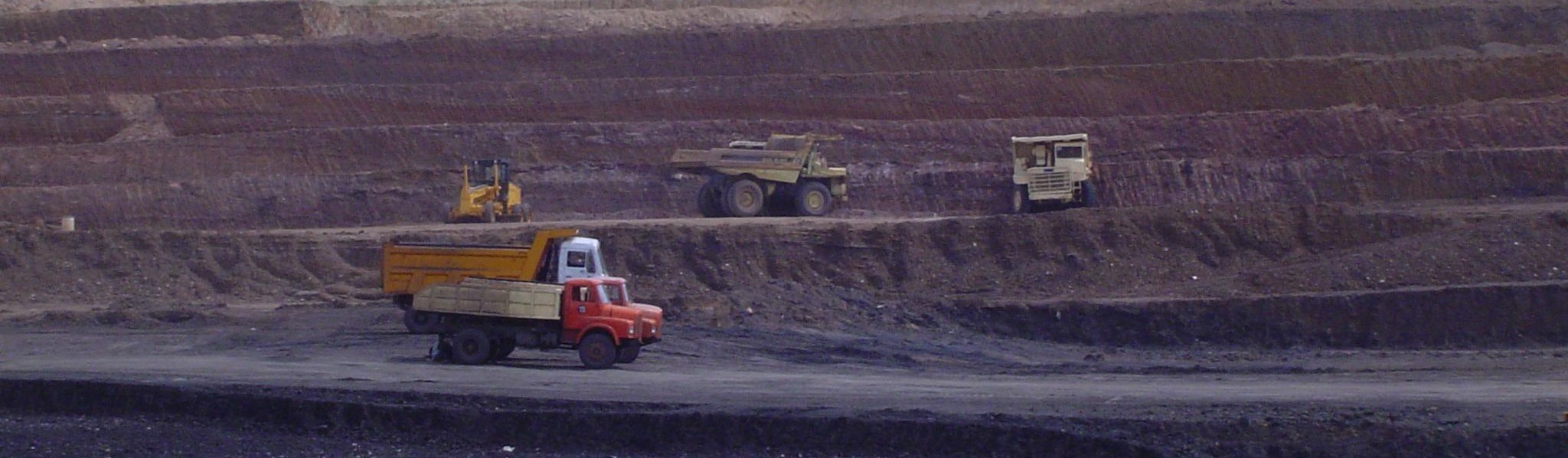
The vital importance of Rock Phosphate lies in its use as a key agricultural input. Phosphorous plays a series of functions in the plant metabolism and is one of the essential nutrients required for plant growth and development. It has functions of a structural nature in macromolecules such as nucleic acids and of energy transfer in metabolic pathways of biosynthesis and degradation. The world phosphate industry is based on the commercial exploitation of phosphate rocks deposits. In spite of their extremely variable composition, phosphate rocks are the commercial source of Phosphorous used as the raw material for manufacturing Phosphatic fertilizers and certain other chemicals.
-
Usages of Rock Phosphate
Fertilizer Production:
The fertilizer industry consumes about 90 percent of world rock phosphate production. Sulphuric acid and rock phosphate are the raw materials used in the production of single superphosphate (SSP) and phosphoric acid. Phosphoric acid is an important intermediate by-product that is used to make triple superphosphate (TSP) and ammonium phosphate (DAP). Highly concentrated, compound NPK formulations now form the mainstay of the world fertilizer industry manufactured to provide essential nutrient like Phosphorous and potassium with nitrogen.
Direct application in agriculture:
* Rock phosphate is mainly of sedimentary origin are suitable for direct application because they consist of fairly open, loosely consolidated aggregates of microcrystals with a relatively large specific surface area.
* The direct application avoids the traditional wet acidification process for WSP fertilizers and circumvents the production cycle of polluting wastes such as phospho-gypsum and greenhouse gases, thus resulting in energy conservation and protection of environment from industrial pollution.
* Being natural compounds, rock phosphate can be used in organic agriculture.
* Direct application enables the utilization of rock phosphate sources that cannot be utilized for industrial purposes in the manufacture of WSP fertilizers and phosphoric acid.
* Rock phosphate suitable for direct application (reactive) can be more efficient than WSP fertilizers in terms of P recovery by plants under certain conditions.
* Based on the unit cost of P, natural or indigenous PR is usually the cheapest.
Chemical Industry:
* Feedstock for producing DCP (Di Calcium Phosphate), industrial-grade phosphates used in detergents, animal feeds, and food-grade phosphates.
-
Products:
Presently following grade products are prepared for use in different industries:
S. No. | Products | Description | Use |
1 | 30% P2O5 | Crushed Rock Phosphate Chips | For manufacturing of SSP |
2 | 31.5% P2O5 | Crushed Rock Phosphate Chips | For manufacturing of DAP & Phosphoric acid |
3 | 31.54% P2O5 | Beneficiated Rock Phosphate | For manufacturing of DAP & Phosphoric acid |
4 | 18-20% P2O5 | RAJPHOS(Grounded rock phosphate) | For direct application in acidic soil and PROM manufacturing units. |
5 | M-Sand | M-Sand and aggregates | For utilization in construction activities. |